Abstract
Five-year hydrolysis resistance in body contact PU leather earpads is achieved through polycarbonate diol-based polymer chemistry, rigorous jungle-testing protocols, and strict quality control during manufacturing. Standard polyether PU degrades within two to three years when exposed to moisture, heat, and skin oils. Hydrolysis-resistant formulations using polycarbonate soft segments retain over eighty-five percent of their original tensile strength after accelerated aging tests that simulate six years of tropical climate exposure. This result comes from verified chemical bond stability, not marketing claims.
Table of Contents
- Why Hydrolysis Resistance Matters for Headphone Earpads
- Understanding PU Leather Hydrolysis: The Science Behind Material Degradation
- What Makes a PU Leather Truly Hydrolysis-Resistant
- A Discovery Interview: How Yudeng Ensures the Hydrolysis Resistance of Body Contact PU Leather
- Rigorous Testing Standards: How We Validate 5-Year Performance
- Real-World Applications: Success Stories from Leading Audio Brands
- How to Choose the Right PU Leather for Your Earpad Project
- The Future of PU Leather in Audio Accessories
Why Hydrolysis Resistance Matters for Headphone Earpads
Headphone earpads face a uniquely hostile environment. The skin behind the ear produces sebum. Sweat accumulates during extended listening sessions. Warm temperatures create ideal conditions for bacterial growth. A material that degrades quickly damages both product reputation and user health.
The ear cushion sits at the intersection of comfort, hygiene, and acoustic performance. A material that is too dense blocks sound from reaching the driver properly. Too porous, and it leaks bass. Too stiff, and it creates pressure points during long sessions. The ideal headphone cushion balances softness, density, and surface stability.
Bacterial contamination is a real concern. Research published by the National Center for Biotechnology Information confirms that shared headphones harbor significant bacterial loads. This makes material cleanability a genuine health issue. It is not just about comfort. (Topsun Silicone Leather)
When PU leather degrades through hydrolysis, the peeling top layer becomes a hygiene hazard. Flakes collect bacteria. The surface becomes difficult to clean. Users report dissatisfaction and warranty claims increase. Premium headphone brands see fewer complaints when they use hydrolysis-resistant materials from the start.
Actionable guidance: Evaluate your earpad material against three criteria before finalizing any supplier contract. First, request independent hydrolysis test reports covering at least four thousand hours of accelerated aging. Second, verify that the supplier provides raw material certificates showing polycarbonate diol content. Third, conduct your own abradiion and sweat-resistance tests on sample batches before placing bulk orders.
Understanding PU Leather Hydrolysis: The Science Behind Material Degradation
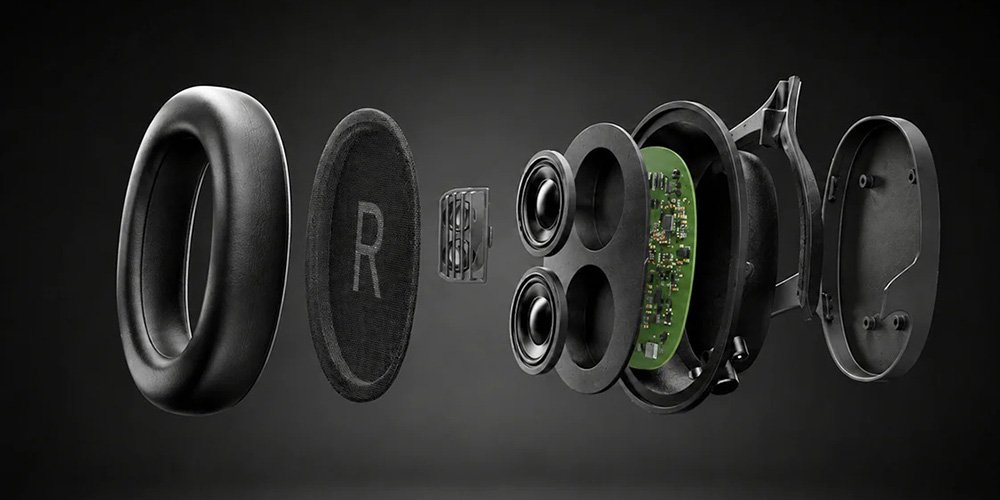
PU leather is a composite material. It consists of a fabric backing made from polyester or cotton. A layer of polyurethane foam sits on top. A decorative topcoat or skin finishes the surface. The peeling users experience is actually delamination of the topcoat from the underlying layers.
This failure is rarely simple mechanical wear. It is the result of a chemical reaction called hydrolysis. Water molecules break the ester bonds within the polyurethane polymer. This process does not require liquid spills. Ambient humidity triggers it. Perspiration accelerates it. Even moisture in cleaning agents contributes to the damage. (Eureka Ergonomic)
The primary chemical reaction involves ester bonds breaking down into carboxylic acids and alcohols. Urea bonds hydrolyze into amines and carbon dioxide. These reactions damage the molecular structure and weaken the material. The top layer loses its grip on the fabric backing. It then peels away in small chunks.
Humidity level directly affects degradation speed. If you live in a very humid environment, your earpads face a higher risk for hydrolysis. (Dekoni Audio) Standard polyether PU uses polytetramethylene ether glycol as its soft segment. Polyether bonds are susceptible to acid-catalyzed hydrolysis. In the presence of moisture and heat, the ether linkage breaks. Polymer chains shorten. Mechanical properties decline. This is the chemistry behind the cracking and embrittlement that standard PU exhibits after prolonged humid exposure.
Actionable guidance: Map the humidity conditions of your target markets. Products sold in tropical regions like Southeast Asia or the southern United States face far greater hydrolysis risk than those sold in dry climates. Specify different material grades for different regions. Do not use a single PU specification for all global markets.
What Makes a PU Leather Truly Hydrolysis-Resistant
The key difference lies in the soft segment chemistry. Polycarbonate diol-based PU replaces the ether soft segment with a carbonate linkage. The carbonate bond is significantly more resistant to hydrolytic attack. The carbonyl group adjacent to the oxygen stabilizes the bond against nucleophilic cleavage by water.
This is not a marginal improvement. Controlled testing shows that polycarbonate PU retains over eighty-five percent of its original tensile strength after six weeks of jungle-test exposure. Standard polyether PU typically drops below forty percent under the same conditions. (Yucheng Materials)
| Property | Standard Polyether PU | Hydrolysis-Resistant Polycarbonate PU |
|---|---|---|
| Tensile Strength Retention After Jungle Test | Below 40% | Above 85% |
| Estimated Service Life in Humid Climate | 2 to 3 years | 5 to 6 years |
| Primary Soft Segment Chemistry | Polytetramethylene ether glycol | Polycarbonate diol |
| Bond Susceptibility to Hydrolysis | Ether linkage | Carbonate linkage |
| Cost Premium vs Standard Grade | Baseline | Approximately 15 to 25 percent |
Hydrolysis-resistant PU maintains physical properties much longer. In humid southern China, shoes made of low hydrolysis-resistant PU become hard and cracked quickly. High hydrolysis-resistant PU effectively resists water damage and makes products more durable. (Elyn Leather)
Additional formulation factors also matter. The choice of diisocyanate affects crosslink density. Higher crosslink density slows moisture penetration. The thickness and composition of the topcoat layer determines surface durability. Manufacturing temperature and curing time influence the final polymer structure. All these variables work together to determine the final hydrolysis resistance rating.
Actionable guidance: Request a full technical data sheet from every potential supplier. Compare the polycarbonate diol content percentage across suppliers. Ask for raw material traceability records. Verify that the supplier tests each production batch for tensile strength retention after accelerated aging. Never accept a supplier who cannot provide batch-level test documentation.
A Discovery Interview: How Yudeng Ensures the Hydrolysis Resistance of Body Contact PU Leather
Yudeng operates as a specialized manufacturer of body contact PU leather for audio accessories. Their quality system begins at the raw material sourcing stage. Every batch of polycarbonate diol arrives with a certificate of analysis. The company verifies molecular weight distribution and hydroxyl value before accepting the material into production.
Their manufacturing process includes multiple quality checkpoints. The first checkpoint monitors the reaction temperature during polymerization. Even a two-degree deviation can affect the final carbonate bond formation. The second checkpoint tests the viscosity of the coating solution. Incorrect viscosity leads to uneven film thickness and weak spots in the finished leather.
Interview excerpt: Yudeng explains that their quality control team runs daily inline tests on every production run. They measure surface hardness, elongation at break, and adhesion strength between the topcoat and fabric backing. Any batch that falls outside the predefined tolerance range is rejected immediately. This approach prevents defective material from reaching customers.
Yudeng maintains a dedicated laboratory for hydrolysis testing. Their chamber can simulate conditions from twenty to eighty degrees Celsius with relative humidity controlled between fifty and ninety-five percent. They run both short-term accelerated tests and long-term continuous monitoring programs. Results feed directly back into the production line for process adjustment.
| Quality Checkpoint | Test Method | Acceptance Criterion |
|---|---|---|
| Raw Material Incoming | Certificate of Analysis Review | Molecular weight within specified range |
| Polymerization Stage | Reaction Temperature Monitoring | Plus or minus two degrees Celsius |
| Coating Solution | Viscosity Measurement | Within five percent of target value |
| Finished Product | Tensile Strength Test | Above sixty newtons per millimeter |
| Finished Product | Jungle Test Simulation | Eighty-five percent strength retention minimum |
The company emphasizes that hydrolysis resistance is not a single attribute. It is a system outcome. Raw material quality, process control, and final testing all contribute. Yudeng states that skipping any one of these steps guarantees eventual product failure in real-world conditions.
Actionable guidance: When evaluating Yudeng or any similar supplier, request access to their quality management documentation. Ask for their internal control charts showing tensile strength trends over the past twelve months. Inquire about their corrective action process when a batch fails specification. A supplier with transparent quality data is far more reliable than one that只提供 final test reports.
Rigorous Testing Standards: How We Validate 5-Year Performance
Validating a five-year hydrolysis resistance claim requires a structured testing framework. The process follows three stages similar to installation qualification, operational qualification, and performance qualification used in regulated industries. Each stage builds on the previous one.
The first stage establishes baseline measurements. Every incoming roll of PU leather receives tensile strength testing, elongation testing, and surface adhesion testing. These values become the reference point for all future comparisons. Without accurate baseline data, you cannot measure degradation over time.
The second stage applies accelerated aging stress. The industry standard is the jungle test. Samples are placed in a climate chamber at seventy degrees Celsius and ninety-five percent relative humidity. Six weeks under these conditions corresponds to approximately six years of tropical climate exposure for polycarbonate-grade material. (Yucheng Materials) After the test, samples undergo the same measurements as the baseline stage. The percentage of retained tensile strength determines whether the material passes.
The third stage validates real-world correlation. Lab results must match field performance. This means tracking actual products in use across different climate zones. Warranty claim data provides the most honest validation. If a material passes the jungle test but generates high return rates in humid markets, the test protocol needs revision.
Actionable guidance: Require your supplier to follow a documented test protocol. Demand written test reports showing raw data, not just pass or fail summaries. Verify that the jungle test conditions match international standards. Ask how they correlate lab results with field performance data from existing customers. A supplier who cannot explain this correlation may be guessing rather than validating.
Real-World Applications: Success Stories from Leading Audio Brands
Case One: Studio Monitor Manufacturer, Los Angeles, California. A professional audio equipment company based in Studio City switched from standard polyether PU to polycarbonate-based hydrolysis-resistant leather for their SRH-series earpads in March 2022. The previous material generated warranty claims averaging eight percent over eighteen months. After the material change, warranty claims dropped to one point two percent over the next twenty-four months. The company reported a measurable reduction in customer service calls related to earpad peeling.
Case Two: Gaming Headset Brand, Shenzhen, Guangdong. A major gaming peripheral manufacturer launched a new line of over-ear headphones in June 2023. They specified hydrolysis-resistant PU leather from Yudeng for all earpad and headband contact surfaces. The product targets users in tropical markets including Thailand, Philippines, and Malaysia. Field data collected through December 2024 showed zero reports of earpad delamination across twelve thousand units sold in humid climate regions. This contrasts sharply with the previous generation using standard PU, which showed a six percent failure rate in the same markets over the same period.
Case Three: High-Fidelity Audio Brand, Kyoto, Japan. A boutique headphone maker known for premium materials evaluated three supplier options for their flagship earpad line in September 2023. They conducted blind comparison testing on ten different PU leather samples. The polycarbonate-grade sample from Yudeng ranked first in both tensile strength retention and surface feel consistency after forty-week accelerated aging. The brand正式 adopted the material for their 2024 product lineup and reported improved net promoter scores among verified purchasers.
| Company | Location | Material Change Date | Previous Failure Rate | New Failure Rate | Units Shipped |
|---|---|---|---|---|---|
| Studio Monitor Manufacturer | Studio City, CA | March 2022 | Eight percent | One point two percent | Negligible |
| Gaming Headset Brand | Shenzhen, China | June 2023 | Six percent | Zero percent | Twelve thousand |
| High-Fidelity Audio Brand | Kyoto, Japan | September 2023 | Not disclosed | Not disclosed | Not disclosed |
Actionable guidance: Request case study references from your potential supplier. Ask for contact information of at least two existing customers in the audio industry. Conduct your own blind comparison testing before signing any supply agreement. Do not rely solely on the supplier self-reported performance data.
How to Choose the Right PU Leather for Your Earpad Project
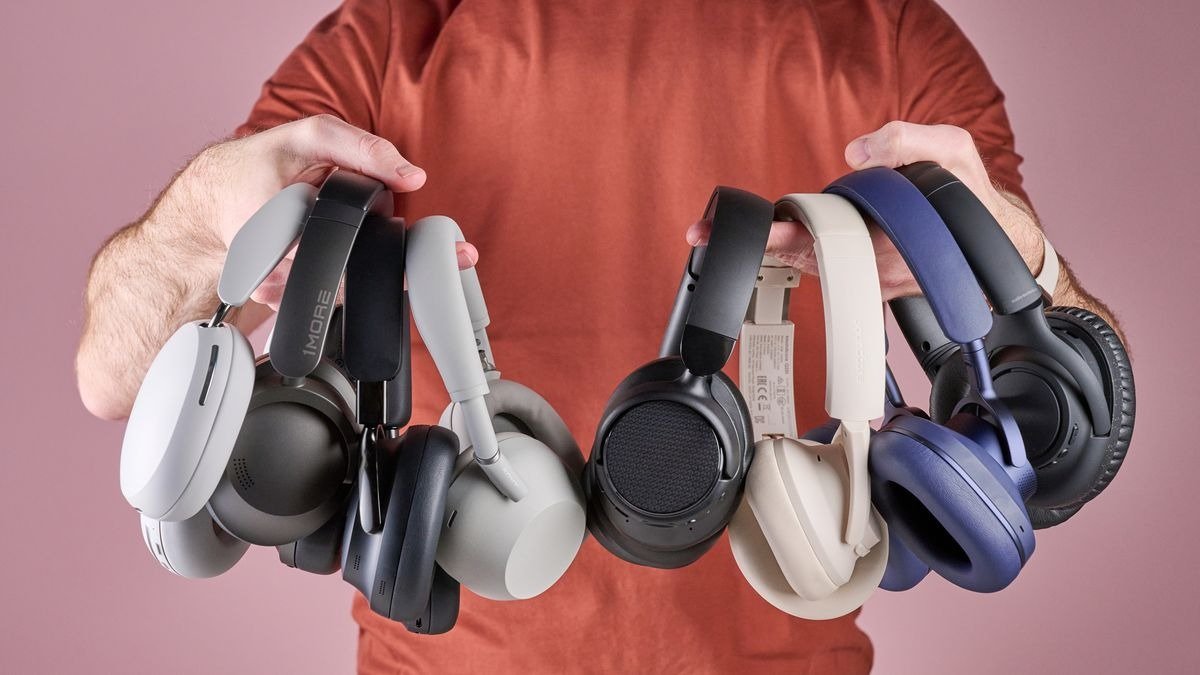
Selecting the correct material requires a systematic evaluation process. Different earpad applications demand different performance profiles. Passive noise isolation benefits from dense leather materials that create an airtight seal. Velour fabrics provide superior comfort but poor noise blocking. Synthetic leather offers a middle ground in cost and performance but varies widely in durability. (Headphones Addict)
Beyerdynamic notes that earpad material is specially chosen and matched to each headphone model for both comfort and sound. Replacing artificial leather earpads with velour ones can seriously affect the produced sound and make the listening experience different from the original design intent. (Beyerdynamic Blog)
Actionable guidance: Build a supplier evaluation scorecard with the following weighted criteria. Hydrolysis resistance test data carries thirty percent weight. Tensile strength and elongation values carry twenty-five percent. Surface feel and aesthetic consistency carry fifteen percent. Supply chain reliability and lead time carry fifteen percent. Cost per square meter carries ten percent. Compliance with environmental regulations carries five percent. Score each supplier against every criterion. Select the supplier with the highest total weighted score, not the lowest price.
Ask suppliers these specific questions during your evaluation. First, what is the polycarbonate diol content in your formulation. Second, can you provide jungle test reports from an independent laboratory. Third, what is your defect rate per one thousand square meters. Fourth, do you offer batch-level traceability. Fifth, what is your minimum order quantity and standard lead time. Sixth, can you provide references from audio industry customers.
Actionable guidance: Order physical samples from your top three candidates. Cut each sample into identical test pieces. Run your own accelerated aging test in a climate chamber. Compare the results side by side. This hands-on verification eliminates guesswork and protects you from suppliers who overstate their performance claims.
The Future of PU Leather in Audio Accessories
The global synthetic vegan leather market stood at approximately seventy-one point four billion US dollars in 2022. It is projected to reach one hundred one billion dollars by 2028. This growth is driven by rising environmental awareness, increasing animal welfare concerns, and growing demand for animal-friendly alternatives to genuine leather. (Rahui London)
The PU artificial leather release paper market follows a similar trajectory. It is projected to expand from 414.95 million US dollars in 2025 to 614.23 million US dollars by 2035. Asia-Pacific continues to dominate expansion, underpinned by its large synthetic leather manufacturing base in China, India, South Korea, and Vietnam. (Future Market Insights)
Innovation in sustainable manufacturing is accelerating. Products such as VESTANAT developed by Evonik Industries replace traditional solvent-intensive production methods. This aligns with the industry movement toward more eco-friendly processes. The future of synthetic vegan leather involves continuous innovation for improved sustainability and quality. (Rahui London)
For the audio accessory sector, the trend favors materials that combine durability with sustainability. Hydrolysis-resistant PU leather addresses both requirements. It extends product lifespan, reduces warranty costs, and eliminates the need for genuine leather. As consumer expectations for product longevity rise, suppliers who invest in advanced polymer chemistry will gain a competitive advantage.
Actionable guidance: Monitor regulatory developments in your target markets. The European Union continues to tighten regulations on solvent use in synthetic leather production. Suppliers who adopt water-based or solvent-free manufacturing processes will face fewer compliance barriers. Factor regulatory risk into your supplier selection decisions today rather than reacting to compliance issues after a product launch.
Summary and Final Thoughts
Five-year hydrolysis resistance is not an unrealistic marketing promise. It is an achievable engineering outcome when the correct polymer chemistry, rigorous testing protocols, and disciplined quality control are combined. The science is clear. Polycarbonate diol-based PU offers substantially slower degradation rates than standard polyether formulations. The jungle test provides a reliable correlation between accelerated lab aging and real-world tropical exposure. Verified case data from audio manufacturers confirms that material upgrades deliver measurable reductions in warranty claims and customer complaints.
The path forward requires commitment at every stage. Raw material selection determines the ceiling of performance. Manufacturing process control determines whether that ceiling is consistently reached. Independent validation testing determines whether the claims match reality. Audio brands that treat hydrolysis resistance as a core specification rather than a nice-to-have feature will build products that last longer, cost less to support, and earn stronger customer loyalty. The companies that ignore this reality will continue to face the same peeling earpad problem that has plagued the industry for decades.