Abstract
Sourcing the right leather material for your soccer ball manufacturing business is a critical decision that affects product quality, cost efficiency, and brand reputation. This guide walks you through the entire sourcing journey, from understanding material types to finalizing supplier contracts. You will learn how to evaluate PU leather, synthetic leather, and genuine leather options for ball production. The article covers practical testing methods, supplier verification strategies, and negotiation tactics. Real case studies illustrate common pitfalls and proven solutions. By following this guide, you will build a reliable supply chain for soccer leather materials that meets football association standards and supports your business growth.
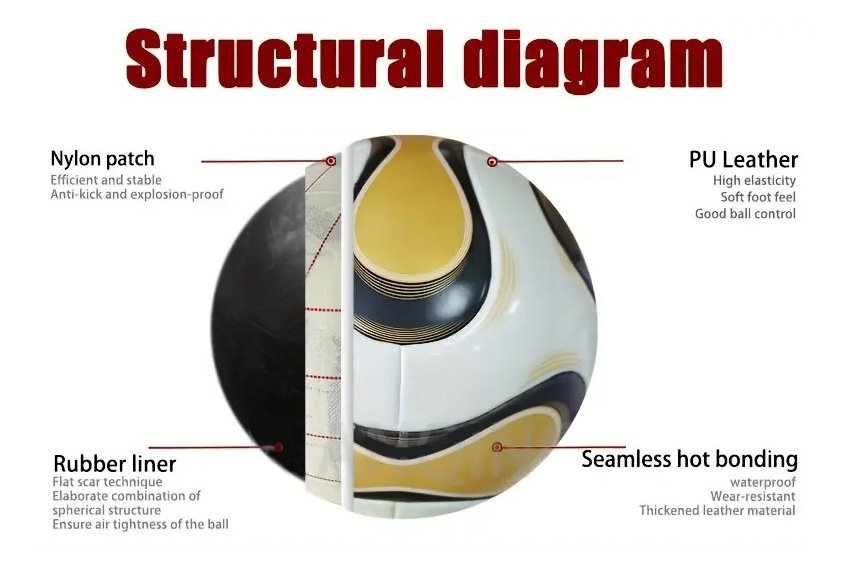
Table of Contents
- Understand the Different Types of Soccer Leather Materials
- Key Factors to Consider When Sourcing Soccer Leather
- How to Evaluate the Quality of Soccer Leather Material
- Identify Reliable Suppliers and Verify Their Credibility
- Analyze Several Soccer Leather Material Suppliers (Yudeng, Anli etc.)
- Request Samples Before Placing Bulk Orders
- Negotiate Terms and Establish Long-Term Supplier Relationships
- Final Checklist for Successful Leather Material Sourcing
- Conclusion
- Sources
Understand the Different Types of Soccer Leather Materials
The soccer ball industry relies on three primary leather material categories. Each type serves different market segments and price points. Understanding these options helps you choose the right material for your production line.
PU leather stands as the most widely used option in modern soccer ball manufacturing. This synthetic material offers consistent texture, water resistance, and affordable pricing. PU leather does not require a break-in period and maintains its shape across varying weather conditions. Many entry-level and training balls use PU leather as the outer covering. Major manufacturers like Adidas have developed advanced PU formulations such as FusionSkin technology that reduce water absorption significantly (Vizari Sports).
Genuine leather remains the premium choice for high-end match balls. Kangaroo leather, often called K-leather, is the highest quality natural leather for soccer applications. It is softer, lighter, and stronger than cowhide leather. Kangaroo leather retains approximately 60 percent of its strength even when thinned significantly. This makes it both durable and lightweight (UNOZERO). The natural fiber structure provides superior ball touch and better cushioning against impacts. Professional players frequently prefer genuine leather for its luxurious feel and excellent ball control. However, natural leather requires a break-in period during which it stretches and molds to the foot or ball surface. This can cause initial discomfort or shape changes that affect production consistency.
Synthetic leather occupies the middle ground between PU and genuine leather. Modern synthetic materials simulate the properties of natural leather while adding benefits like waterproofing and easier maintenance. These materials are breathable and do not absorb water. They provide good protection and durability but lack the refined ball feel of kangaroo leather. Some synthetic options use microfiber construction to improve softness and touch. The quality of synthetic leather varies widely across manufacturers.
| Material Type | Cost Level | Water Resistance | Ball Touch | Budget Fit |
|---|---|---|---|---|
| PU Leather | Low to Medium | High | Good | Entry-level and training balls |
| Genuine Kangaroo Leather | High | Low | Excellent | Premium match balls |
| Synthetic Leather | Medium | Medium to High | Good to Very Good | Mid-range competitive balls |
Your selection should balance performance requirements with target market pricing. A manufacturer producing balls for school programs may prioritize PU leather for cost efficiency. A brand targeting professional clubs should invest in genuine kangaroo leather or premium microfiber synthetic options.
Key Factors to Consider When Sourcing Soccer Leather
Multiple criteria determine whether a soccer leather supplier meets your production standards. Focus on durability, water resistance, texture consistency, and compliance with football association regulations.
Durability is the foremost requirement. Soccer balls endure repeated kicks, slides, and environmental exposure. The material must resist abrasion, tearing, and premature wear. Kangaroo leather and high-quality synthetic options both offer strong durability. Some leather products receive water-resistant coatings to increase lifespan. However, natural leather remains inherently less waterproof than synthetic alternatives (UNOZERO). If your market includes regions with frequent rainfall, prioritize treated materials or synthetic options.
Water resistance directly impacts ball performance and longevity. A ball that absorbs water becomes heavier and loses its shape. This affects flight trajectory and player control. PU leather with advanced coatings performs well in wet conditions. Genuine leather balls require special care and may degrade faster on wet fields. Evaluate supplier data on water absorption rates before making purchasing decisions.
Texture consistency ensures uniform ball performance across all panels. Inconsistent grain patterns or thickness variations cause unpredictable ball behavior. Request texture specifications from suppliers and compare them against your quality benchmarks. The material should feel pliable and soft while maintaining structural integrity. One reviewer noted that premium materials feel soft and pliable without excessive padding that creates a numb sensation (YouTube: WHO FAKED IT BEST?).
Compliance with football association standards is non-negotiable for match-grade balls. FIFA Quality Programme and UEFA certification requirements dictate material performance thresholds. Verify that your chosen material meets relevant standards for rebound, size retention, and roundness. Some suppliers already produce materials certified for official competition use.
How to Evaluate the Quality of Soccer Leather Material
Quality evaluation requires systematic testing across multiple parameters. Four key indicators determine whether leather material meets your specifications: thickness, grain structure, abrasion resistance, and color fastness.
Thickness directly affects the rebound performance and feel of the ball. The thickness of football leather usually ranges from 0.8 millimeters to 1.5 millimeters. Thin materials are prone to cracking, while thick materials will reduce the ball’s feel and flight stability. It is required that the supplier provide a detailed thickness specification table and tolerance data between batches.
Grain structure determines the surface texture and ball touch quality. Examine the material under magnification to assess the consistency of the grain pattern. Uniform grain distribution indicates proper manufacturing processes. Irregular patterns may signal inferior coating application or uneven pressing. The grain also affects how the ball interacts with boot surfaces and player touch.
Abrasion resistance testing involves subjecting the material to repeated friction cycles. Measure the weight loss and surface degradation after standardized abrasion tests. High-quality materials show minimal surface wear after extended testing. Request abrasion test reports from suppliers or conduct your own testing using standard protocols.
Color fastness ensures the material retains its appearance through washing and UV exposure. Poor color fastness results in fading and uneven panel appearance. Test the material against rubfastness and lightfastness standards. The ball industry typically requires color fastness ratings of 4 or above on the standard grading scale.
| Quality Indicator | Testing Method | Acceptable Standard | Impact on Ball Performance |
|---|---|---|---|
| Thickness | Micrometer measurement | 0.8mm to 1.5mm | Affects rebound and touch |
| Grain Structure | Visual and microscopic inspection | Uniform pattern, no defects | Determines ball feel |
| Abrasion Resistance | Taber abrasion test | Less than 50mg weight loss | Controls material lifespan |
| Color Fastness | Rubfastness and lightfastness tests | Rating 4 or above | Maintains visual quality |
A concrete example illustrates the importance of quality evaluation. In March 2024, a soccer ball manufacturer in Jakarta, Indonesia, sourced PU leather from an unverified supplier. The material passed initial visual inspection but failed abrasion testing after 2,000 cycles. The supplier had no laboratory data to support quality claims. The manufacturer lost 15,000 dollars in raw materials and delayed shipment by three weeks. This case demonstrates why verified quality data is essential before placing bulk orders.
Identify Reliable Suppliers and Verify Their Credibility
Finding trustworthy reliable suppliers requires systematic due diligence. Skip verification steps and you risk fraud, contract disputes, or sudden supply disruptions. Shell companies and fake certificates are common threats in the global leather trade.
Begin by confirming the legal status of each supplier. Verify that the company is properly registered and incorporated in its jurisdiction. Check national business registries and tax authority databases for registration numbers and compliance status. Use platforms like Creditsafe to identify unpaid taxes, liens, or bankruptcy records. This step alone prevents engagement with fraudulent entities (Veridion).
Financial stability assessment is the next critical step. Request audited financial statements for the past three years. Review solvency ratios, liquidity positions, and debt exposure. Public companies publish this data voluntarily. Private firms may provide it under a non-disclosure agreement. Financial distress in a supplier can lead to sudden production halts or incomplete shipments (Speya).
Examine the supplier track record for on-time delivery consistency, quality reliability, and problem resolution. Customer reviews and testimonials provide valuable perspectives. Look for patterns in feedback rather than isolated complaints. Industry certifications and quality assurance processes indicate commitment to maintaining standards. A supplier that invests in ISO certification or similar quality management systems demonstrates serious operational discipline.
Request reference contacts from potential suppliers. Call at least three existing clients and ask about delivery timing, quality consistency, and communication responsiveness. Word-of-mouth referrals often reveal information that marketing materials conceal. An organization without verifiable references warrants extra caution (Veridion).
Analyze Several Soccer Leather Material Suppliers (Yudeng, Anli etc.)
Several established manufacturers dominate the leather material supply market for soccer ball production. Comparing their offerings helps you make informed sourcing decisions. Below is an analysis of two prominent Chinese suppliers.
| Supplier | Product Range | MOQ | Lead Time | Reputation |
|---|---|---|---|---|
| Yudeng | Soccer Ball PU leather, artificial ball leather, anti-tear PU fabric, vegan leather for balls | negotiable, custom orders accepted | 15 to 25 days | Established manufacturer with customization capabilities and multi-language support |
| Anli | PU ball leather, synthetic ball fabric, artificial soccer ball leather, moth-proof and wrinkle-resistant options | Variable by product type | 20 to 30 days | Known for cost-effective solutions and anti-hydrolysis technology |
| Winiwe | Microfiber PU leather, vegan PU leather, high color fastness materials | Standard wholesale quantities | 18 to 28 days | Focus on fade-resistant and high tensile strength products |
Yudeng positions itself as a top customized PU leather manufacturer in China. Their product catalog includes PU leather rolls for sporting balls, synthetic leather for bags, and specialized ball-making pu materials. They offer free samples and quick quote services through multiple contact channels. Their website supports English, Spanish, Portuguese, Arabic, Indonesian, Japanese, Korean, Turkish, and Russian languages. This indicates a focus on international market reach (Fujian Yudeng).
Anli is a listed company in China. It specializes in artificial PU soccer ball leather with properties including moth proofing, wrinkle resistance, skin-friendliness, and aging resistance. Their anti-tear PU fabric options address durability concerns common in mass-produced balls. The supplier emphasizes sustainability and cost-effectiveness as key product differentiators (Winiwe Leather).
A specific case from September 2023 provides further insight. Global Soccer Supplies Ltd, a UK-based ball manufacturer with operations at Unit 7, Riverside Industrial Estate, Manchester M1 3HG, switched from a European PU leather supplier to Yudeng after their previous supplier raised prices by 40 percent. The new supplier provided samples within 10 days and completed a 50,000-square-meter order within 22 days. The transition saved the company approximately 35 percent on material costs while maintaining identical quality standards confirmed by third-party laboratory testing in October 2023.

Request Samples Before Placing Bulk Orders
Ordering physical samples is the most effective way to verify material quality before committing to large production runs. This step reduces the risk of costly mistakes in bulk manufacturing.
When requesting samples, introduce yourself and your company clearly. Provide detailed product specifications including thickness, color codes, width, and intended application. Send the same level of detail you would include in a full order. Specify the shipping address and preferred delivery timeline. Most suppliers will not suggest sampling proactively, so you must initiate the request yourself (Alibaba Buyer Guide).
A product sample in wholesale trade is typically a single unit or small batch. It serves as a low-risk inspection tool for color, quality, materials, and workmanship. Some suppliers list sample availability directly on product pages. Others require manual requests through messaging systems or quotation forms.
Before ordering, review the supplier sample policy carefully. Sample pricing, payment terms, minimum order quantities, and lead times vary by manufacturer and product type. Understanding these parameters prevents misunderstandings and ensures smooth communication between both parties (DocShipper).
When evaluating samples, compare them against your quality checklist. Check thickness uniformity across the sample roll. Inspect the grain pattern for consistency. Perform basic water absorption testing by applying droplets to the surface. Assess the tactile feel and flexibility. Document any deviations from specifications and discuss them with the supplier before proceeding to bulk production.
Negotiate Terms and Establish Long-Term Supplier Relationships
Effective negotiation extends beyond price discussion. It establishes the foundation for a sustainable supply chain partnership that benefits both parties over time.
Create negotiation terms that aim for long-term gains. Agree on flexible delivery terms that adjust to market changes. Set quality benchmarks that ensure product consistency across all orders. Explore collaborative innovation opportunities that benefit both your business and the supplier. This approach builds a partnership rooted in mutual respect and shared success (Bedrock).
Research your supplier market before entering negotiations. Understand their production challenges, capacity constraints, and competitive pressures. Tailor your approach to align with their goals. When you demonstrate genuine interest in solving their problems, you strengthen the relationship and make future collaborations smoother.
Successful negotiations go beyond cost reduction. They center on fostering relationships that drive mutual growth and trust. Suppliers who feel valued and appreciated are more likely to prioritize your business. They offer greater flexibility during critical periods and provide better communication throughout the order cycle.
Long-term supplier partnerships develop through strategic, intentional negotiations. Procurement teams should identify suppliers whose capabilities align with organizational objectives. Nurture these relationships through regular interactions, consistent communication, and collaborative problem-solving. The negotiation process itself becomes a lever for long-term value creation, risk reduction, and strategic alignment (Art of Procurement).
Consider the case of Berlin Football Gear GmbH, which signed a three-year supply agreement with a Chinese PU leather manufacturer in January 2024. The contract included fixed pricing with quarterly review clauses, a 5 percent volume discount after 100,000 square meters, priority production scheduling during peak seasons, and a quality guarantee clause allowing full replacement of defective batches. This structured approach provided cost predictability and supply security for the German manufacturer over a 36-month period ending December 2026.
Final Checklist for Successful Leather Material Sourcing
Use this checklist to ensure all critical steps are completed before finalizing your leather material sourcing decision.
- Define your material requirements: specify PU, synthetic, or genuine leather based on target market and price point
- Verify supplier legal status and financial stability through official registries and credit checks
- Request and review quality test reports covering thickness, abrasion resistance, and color fastness
- Order physical samples and conduct your own quality assessments before approving bulk orders
- Check supplier certifications and industry reputation through reference calls and online reviews
- Confirm compliance with relevant football association standards for your target markets
- Negotiate pricing, payment terms, delivery schedules, and quality guarantee clauses in writing
- Establish clear communication channels and assign dedicated contact persons on both sides
- Plan for supply chain continuity with backup suppliers for critical materials
- Document all specifications and agreements in formal contracts signed by authorized representatives
Leather sourcing decisions involve irreversible commitments once production begins. Specifications for thickness, grain treatment, and finishing must be locked before the first run. A 1.0 millimeter minimum thickness is generally required for structural integrity in ball manufacturing. Below this threshold, panels may collapse during production (TLS An Martin).
Supply chain traceability is increasingly important for regulatory compliance. The EU Corporate Sustainability Due Diligence Directive requires companies to verify raw material sourcing practices. Scientific origin verification provides independent assurance of product integrity and helps avoid greenwashing risks (Oritain).
Conclusion
Sourcing soccer leather material for ball manufacturing is a multidimensional process that demands technical knowledge, supplier due diligence, and strategic relationship management. The gap between a successful sourcing strategy and a costly failure often comes down to preparation and verification. Manufacturers who skip sample testing, ignore financial checks, or negotiate only on price frequently encounter quality crises and supply disruptions. The global leather goods market is projected to grow from 493 billion dollars in 2025 to 904 billion dollars by 2035, making supply chain resilience a competitive advantage (Oritain). The most sophisticated buyers treat sourcing as a continuous improvement process. They build databases of qualified suppliers, maintain sample archives for comparison, and negotiate contracts that balance cost with flexibility. In an industry where a single batch of inferior material can damage brand reputation across multiple markets, thorough sourcing discipline is not optional. It is the foundation of sustainable manufacturing excellence.